On-Page SEO Checker in 2026: How to Audit Your Website for AI-Driven Search


Search has changed more in the last two years than in the previous decade. If you rely on a basic on-page SEO checker, you may already be falling behind. In 2026, Google's AI Overviews, intent-based ranking, and structured data requirements have rewritten the rules of what a thorough SEO audit looks like. This guide maps every traditional on-page check to its modern, AI-era equivalent — so you know exactly what to fix, and why it matters right now.
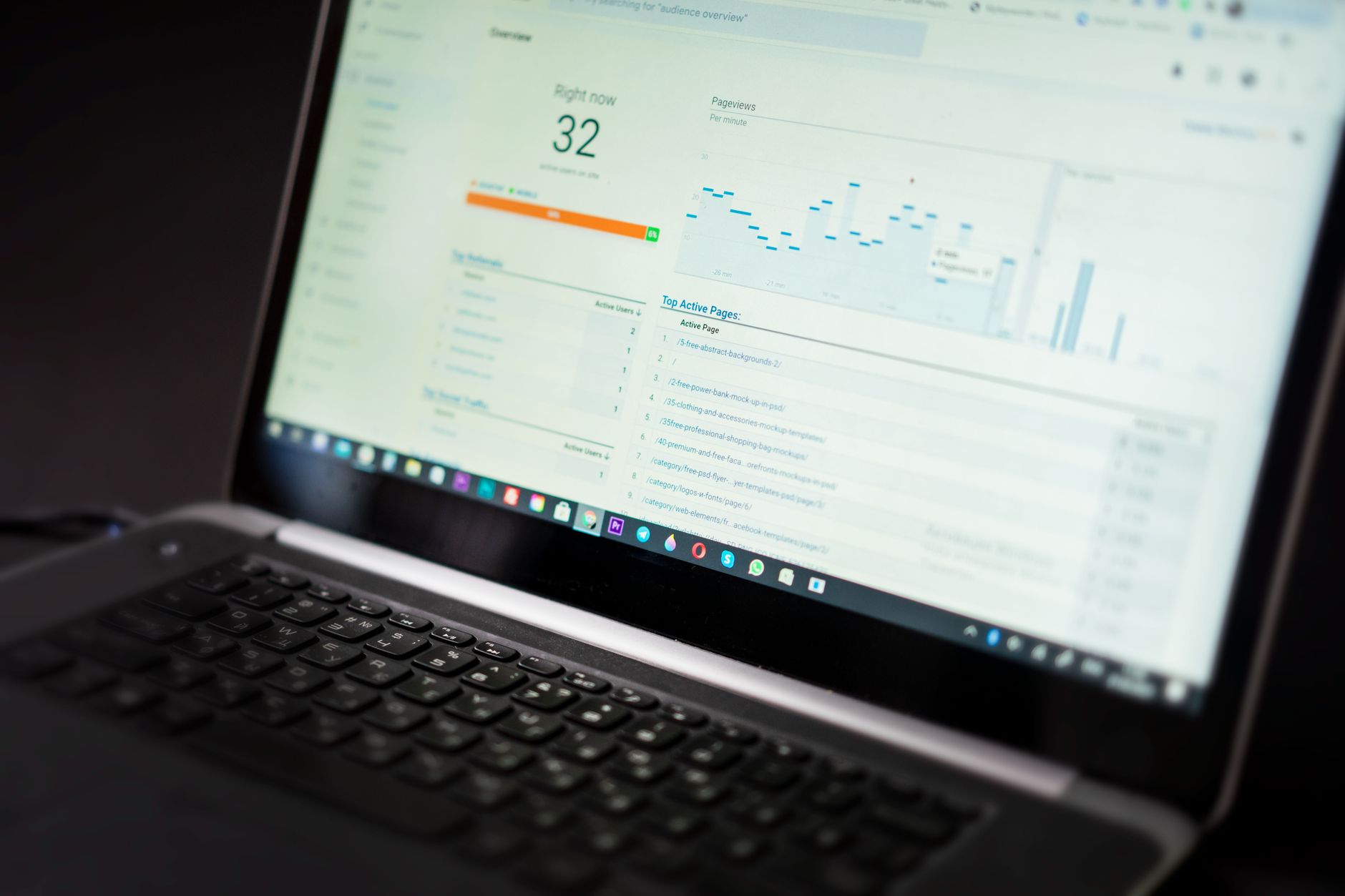
Why Traditional On-Page SEO Checkers Are No Longer Enough
For years, on-page SEO meant checking title tags, meta descriptions, H1s, and keyword density. Those elements still matter. However, they are now only a fraction of what search engines evaluate. Google's AI Overviews now answer queries directly on the results page, pulling content from pages it deems most authoritative and well-structured.
Furthermore, search intent has become the central signal. A page can have a perfect title tag and still rank poorly if it does not match what the user actually wants. Consequently, your audit tool needs to go beyond syntax and start evaluating meaning, structure, and context.
Additionally, the rise of voice search, featured snippets, and AI-generated answers means your content must be formatted for machines as well as humans. Specifically, structured data, semantic markup, and clear content hierarchies are now ranking factors in their own right.
- AI Overviews pull answers from pages with clear, concise, well-structured content.
- Intent matching is now weighted more heavily than keyword frequency alone.
- Structured data (Schema.org markup) helps AI systems understand your page's context.
- E-E-A-T signals (Experience, Expertise, Authoritativeness, Trustworthiness) influence how AI ranks and cites pages.
- Core Web Vitals remain a baseline technical requirement for any competitive page.
Ultimately, a modern on-page SEO checker must evaluate all of these layers together. Tools that only flag missing meta tags are leaving you with an incomplete picture.
The 2026 On-Page SEO Checklist: What to Audit Now
Below is a comprehensive audit framework built for AI-driven search. For each traditional check, we show the updated 2026 requirement. Use this as your baseline every time you scan a page.
1. Title Tags and Meta Descriptions — Beyond Keywords
Title tags are still the first thing a crawler reads. However, in 2026, a good title must also signal intent. Ask yourself: does this title clearly tell the user and the AI what problem this page solves? Keep titles under 60 characters and lead with the primary keyword naturally.
Meta descriptions no longer directly affect rankings. Nevertheless, they influence click-through rates, which do. Write meta descriptions that answer a question or promise a clear outcome. Additionally, avoid keyword stuffing — AI systems penalize low-quality, repetitive copy.
- Keep title tags under 60 characters.
- Place the primary keyword within the first 50 characters.
- Write meta descriptions between 150–160 characters.
- Use active voice and a clear value proposition in the meta description.
2. Heading Structure and Semantic Hierarchy
Headings are how AI systems parse the structure of your content. A clear H1, followed by logical H2s and H3s, signals a well-organized page. Moreover, AI Overviews often pull heading text verbatim when generating answers. Therefore, your headings should read as standalone answers, not just labels.
Specifically, avoid using headings as decorative banners. Each heading should introduce a distinct, self-contained topic. Use question-based headings where possible — they align directly with how users phrase voice and AI search queries.
3. Structured Data and Schema Markup
Structured data is one of the biggest gaps in most on-page audits. Schema.org markup tells search engines exactly what your content is — an article, a product, a FAQ, a how-to guide. As a result, pages with valid Schema are far more likely to appear in rich results and AI-generated answers.
Your on-page SEO checker should flag missing or invalid Schema on every page type. For blog posts, use Article or BlogPosting markup. For product pages, use Product and Offer. For service pages, use Service and LocalBusiness where relevant. Additionally, FAQPage schema is especially powerful for capturing AI Overview placements.
- Validate all Schema with Google's Rich Results Test.
- Add FAQPage schema to any page that answers common questions.
- Use BreadcrumbList schema to reinforce site structure.
- Implement Article schema with dateModified to signal freshness.
4. Content Depth, Intent Matching, and E-E-A-T
Content quality is now evaluated at a much deeper level than keyword presence. Google's quality raters use E-E-A-T guidelines to assess every page. Therefore, your audit must check for signals of real expertise — author bios, citations, original data, and first-hand experience.
Intent matching means your content must satisfy the full goal behind a search query. For instance, someone searching "how to fix a slow website" wants actionable steps, not a definition of page speed. Consequently, audit your content for completeness: does it answer the main question, related questions, and follow-up questions?
Furthermore, content freshness matters more than ever. AI systems prefer recently updated pages for fast-moving topics. Add a clear last updated date to every key page and refresh content at least once a year.
How an On-Page SEO Checker Should Handle Internal Linking in 2026
Internal links are still one of the most underused ranking levers. However, in 2026, it is not just about volume — it is about relevance and context. AI systems use internal link patterns to understand topic clusters and site authority. Therefore, every page should link to related content using descriptive, keyword-rich anchor text.
Your audit tool should flag pages with zero internal links, orphan pages (no links pointing to them), and pages using generic anchor text like "click here." Additionally, it should identify opportunities to link high-authority pages to lower-ranking ones to pass equity strategically.
For a practical starting point, explore Seojama's on-page SEO audit features — the platform checks internal link health across your entire site and surfaces actionable fixes fast.
- Aim for 3–5 internal links per page minimum.
- Use descriptive anchor text that includes target keywords naturally.
- Fix orphan pages by linking to them from relevant, high-traffic pages.
- Build topic clusters: link all related posts to a central pillar page.
Technical On-Page Factors That AI Search Amplifies
Technical on-page SEO has always mattered. However, AI-driven search amplifies the impact of technical issues because AI crawlers are less forgiving than traditional bots. Specifically, slow pages, broken markup, and poor mobile experience can all reduce your chances of appearing in AI-generated answers.
Core Web Vitals and Page Experience
Core Web Vitals — LCP, INP, and CLS — remain Google's key page experience signals. Moreover, pages that fail these thresholds are less likely to be featured in AI Overviews. Your on-page checker should surface these scores alongside content recommendations, not in a separate silo.
Additionally, mobile-first indexing means your mobile experience is your primary experience. Every on-page element — headings, images, CTAs — must render correctly on small screens. Notably, oversized images and unoptimized fonts are still among the most common audit failures.
Image Optimization and Alt Text
Images are often overlooked in on-page audits. However, they carry real SEO weight. Every image needs a descriptive alt attribute that uses natural language and, where relevant, includes a target keyword. Furthermore, images should be compressed and served in next-gen formats like WebP to support fast load times.
Specifically, alt text is also how AI image recognition systems understand visual content. Therefore, vague alt text like "image1.jpg" is a missed opportunity on multiple levels.
URL Structure and Canonicalization
Clean, descriptive URLs remain a best practice. Keep URLs short, lowercase, and keyword-rich. Additionally, every page should have a canonical tag to prevent duplicate content issues. Notably, AI crawlers can be confused by duplicate content, which dilutes your authority signals.
Running a Full On-Page SEO Audit with Seojama
Manually checking every on-page factor across hundreds of pages is not realistic. That is where a purpose-built on-page SEO checker like Seojama becomes essential. Seojama scores your website across 20+ on-page SEO factors and delivers prioritized, actionable recommendations — so you always know what to fix first.
Furthermore, Seojama's Pro workspace goes further. It crawls every page on your connected site, generates individual audit reports, and uses an AI agent to automatically produce fresh blog content daily. As a result, you get both the diagnosis and the cure in one platform.
Ready to see where your site stands? Run a free SEO audit on Seojama and get your website SEO score in minutes. No technical knowledge required.
Additionally, if you want to understand exactly how the scoring works, discover how Seojama's audit engine works and see which factors it evaluates for your site.
Key Takeaways: Your 2026 On-Page SEO Audit Checklist
To summarize, here is a quick-reference checklist for auditing any page in 2026. Use this alongside your on-page SEO checker to make sure nothing is missed.
- Title tag: Under 60 characters, intent-aligned, keyword in first 50 characters.
- Meta description: 150–160 characters, active voice, clear value promise.
- Heading structure: Logical H1 → H2 → H3 hierarchy; question-based headings where possible.
- Structured data: Valid Schema markup for page type; FAQPage schema for Q&A content.
- Content depth: Fully satisfies search intent; covers related and follow-up questions.
- E-E-A-T signals: Author bio, citations, original insights, last updated date.
- Internal links: 3–5+ per page, descriptive anchor text, no orphan pages.
- Core Web Vitals: LCP under 2.5s, INP under 200ms, CLS under 0.1.
- Image optimization: Descriptive alt text, WebP format, compressed file size.
- URL and canonical: Short, lowercase, keyword-rich URL; canonical tag present.
Ultimately, the sites that will win in AI-driven search are those that treat SEO as an ongoing process, not a one-time fix. Therefore, schedule regular audits, track your scores over time, and keep your content fresh and authoritative.
Get started today — use Seojama's free SEO checker to run your first audit and uncover the quick wins hiding on your site right now.
Want results like this for your site?
Run a free SEO audit and get actionable fixes in seconds.
Run a free SEO audit →

