SEO Recommendations for a Website in the Age of AI Search: Your 2026 Audit Playbook

Why Your 2024 SEO Playbook Won't Cut It in 2026
The SEO recommendations for a website that worked two years ago were built around one assumption: a human clicks a blue link. That assumption is breaking fast. Google's AI Overviews now answer roughly 47% of informational queries without a single click, according to SparkToro's 2024 zero-click study. Perplexity, ChatGPT Search, and Bing Copilot are pulling citations from a much smaller pool of trusted sources — and if your site isn't in that pool, you're invisible to a growing share of searchers.
This isn't a reason to panic. It's a reason to audit smarter. The sites winning in AI-driven search share three traits: clean technical foundations, strong entity signals, and content that answers questions with precision. Each of those traits is measurable, fixable, and directly tied to audit steps you can run today.
What follows is a practical, opinionated audit framework built for 2026 realities — not a recycled checklist of meta-tag tips.
Step 1 — Run a Baseline Audit Before You Touch Anything
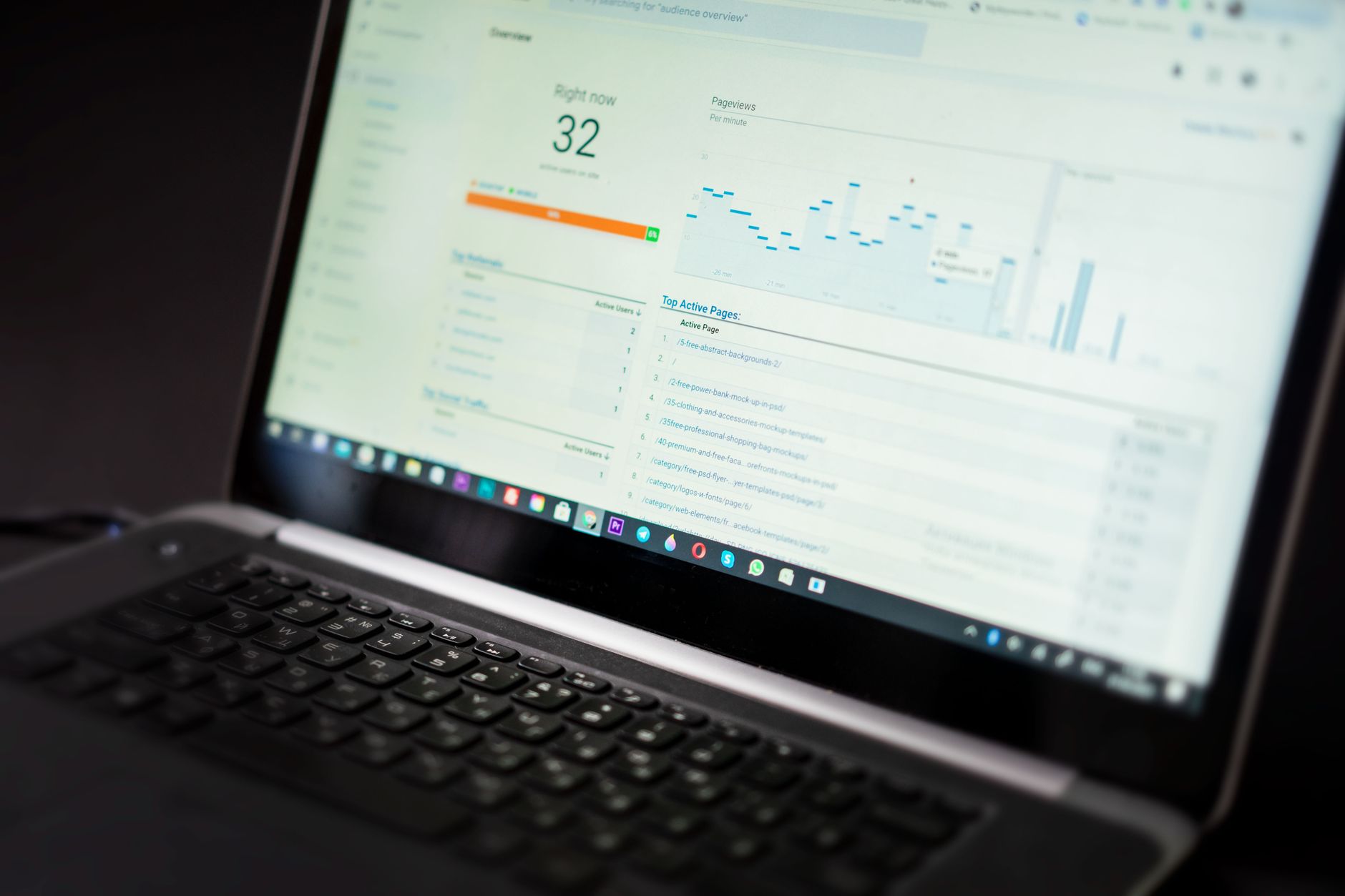
The most common mistake site owners make is jumping straight into fixes without a baseline. You end up optimizing things that weren't broken while missing the issues that actually cost you rankings. A structured audit gives you a score to beat, not just a list of tasks.
Start with a full on-page scan. A tool like SEOjama's free SEO audit scores your site across 20+ on-page factors — title tags, meta descriptions, heading hierarchy, image alt text, internal linking, page speed, and more — then prioritizes the findings so you fix high-impact issues first. That prioritization matters. Fixing a missing H1 on your homepage moves the needle far more than tweaking alt text on a footer logo.
Record your baseline scores before any changes. Specifically, note:
- Overall SEO score and which factor categories are dragging it down
- Core Web Vitals (LCP, CLS, INP) from Google Search Console
- Crawl errors, redirect chains, and orphaned pages
- Current keyword rankings for your 10 most important pages
- Organic click-through rate (CTR) by page from Search Console
With that snapshot in hand, every change you make becomes a controlled experiment. You'll know what worked — and what didn't.
The AI Citation Rate: The New Metric You're Not Tracking
Here's the uncomfortable truth most SEO guides skip: ranking on page one no longer guarantees traffic. What matters increasingly is whether AI systems cite your content when they synthesize an answer. Call it your AI citation rate — the proportion of relevant queries where an AI overview, chatbot, or AI search engine pulls from your site.
You can't measure this perfectly yet, but you can proxy it. Search for your target topics in Google with AI Overviews enabled. Check whether your domain appears in the cited sources. Do the same in Perplexity. If you're consistently absent, your content isn't passing the signals these systems use to select trustworthy sources.
What signals matter most? Google's own guidance on AI Overviews emphasizes helpfulness, expertise, and clear sourcing. In practice, that translates to four concrete audit checks:
- Does every factual claim cite a source? Unsourced statistics are a red flag to AI systems trained on quality signals.
- Is your author or organization clearly identified? Anonymous content rarely gets cited. An author bio with credentials and a linked social profile changes that.
- Does your content directly answer the question in the first 100 words? AI systems extract answers from the top of the page, not the bottom.
- Is your schema markup complete? Article, FAQPage, and HowTo schema give AI parsers structured signals about what your content covers.
Entity Strength: The Brand Signal Most Audits Ignore
Google's Knowledge Graph doesn't just store facts about celebrities and companies. It stores entities — people, places, organizations, products, concepts — and it uses entity relationships to judge authority. If your brand exists as a coherent, consistent entity across the web, you get a trust boost that no amount of keyword density can replicate.
Auditing your entity strength means checking five specific signals:
- Google Business Profile: Claimed, verified, and consistently updated? If not, that's a 30-minute fix with outsized impact.
- NAP consistency: Name, Address, Phone number must be identical across your site, GBP, and every directory listing. Even minor variations (St. vs Street) dilute the signal.
- Wikipedia / Wikidata presence: Not every brand qualifies, but if yours does and you're not there, you're leaving entity authority on the table.
- Mention-to-link ratio: Are authoritative sites mentioning your brand without linking? Those unlinked mentions still feed entity graphs. Tools like Ahrefs' Content Explorer can surface them.
- Social profile completeness: LinkedIn, X (Twitter), and relevant industry platforms should all point back to your site with consistent brand language.
A weak entity profile is one reason technically sound sites get passed over in AI-generated answers. The AI doesn't "know" who you are, so it defaults to sources it does know. Fixing this is a slow burn — it takes months, not days — but the audit itself takes an afternoon.
Technical SEO Recommendations for a Website Targeting AI Search
Technical SEO isn't glamorous, but it's the foundation everything else sits on. AI crawlers and traditional Googlebot both need to efficiently access, parse, and understand your pages. If they can't, your content quality is irrelevant.
Run your site through the SEOjama SEO analysis tool to surface technical gaps quickly. Then work through this priority order:
Core Web Vitals — Fix LCP First
Largest Contentful Paint (LCP) is the single most impactful Core Web Vital for rankings. A score above 2.5 seconds is a confirmed ranking disadvantage. The most common culprits are unoptimized hero images, render-blocking JavaScript, and slow server response times (TTFB above 600ms). Fix the image first — switch to WebP, add explicit width/height attributes, and use a CDN. That alone moves most sites from "needs improvement" to "good."
Crawl Budget — Stop Wasting It
Large sites with thin pages, infinite scroll URLs, or session-ID parameters burn crawl budget on pages that should never be indexed. Audit your robots.txt, check your XML sitemap for noindex pages (a surprisingly common mistake), and use Search Console's URL Inspection tool to find pages Google hasn't crawled in 90+ days. Those are your crawl budget leaks.
Internal Linking — The Underrated Signal
Most audits flag missing meta descriptions before they flag broken internal link architecture. That's backwards. Internal links pass PageRank, establish topical clusters, and help AI systems understand which of your pages is the authoritative source on a given topic. Every important page should be reachable within three clicks from the homepage, and your highest-value pages should have the most internal links pointing to them — not just the newest blog posts.
Use the on-page SEO checker to identify pages with zero internal links (orphaned pages) and pages that are over-linked relative to their value. Both patterns hurt crawl efficiency and dilute your authority signals.
Schema Markup — Don't Stop at Article
Most content sites implement Article schema and call it done. That's a start, not a finish. For 2026, layer in FAQPage schema on any page that answers common questions, HowTo schema on instructional content, and BreadcrumbList schema site-wide. These structured signals are exactly what AI parsing systems use to understand content type and extract answers. You can generate accurate schema quickly using the SEOjama schema generator tool.
Content Audit: Thin Pages Are Killing Your Authority
A content audit isn't about word count. It's about coverage density — does a given page fully answer the question a searcher is asking, or does it skim the surface and leave gaps? Thin pages don't just rank poorly; they drag down the authority of every other page on your domain.
The standard approach: export all indexed URLs from Search Console, sort by impressions, and flag any page with more than 100 impressions but fewer than 5 clicks. Those pages have keyword relevance (Google is showing them) but aren't compelling enough to earn clicks. They're your highest-leverage content opportunities.
For each flagged page, ask three questions:
- Does the title tag match what searchers actually want, or is it written for a keyword that doesn't reflect intent?
- Does the page answer the primary question in the first paragraph, or does it bury the answer under preamble?
- Is there a clear next step — a CTA, a related resource, a deeper dive — or does the page just end?
Pages that fail all three checks should be rewritten, not just tweaked. A 200-word update to a structurally broken page rarely moves rankings. A full rewrite with better structure, sourced claims, and a clear answer in the opening paragraph often does.
Putting It All Together: Your 2026 Audit Workflow
A complete audit doesn't have to take weeks. Here's a realistic four-session workflow that covers all the ground above without overwhelming your team:
- Session 1 (2 hours): Run a full site scan, record baseline scores, pull Search Console data for the past 90 days.
- Session 2 (3 hours): Technical audit — Core Web Vitals, crawl errors, sitemap health, robots.txt, redirect chains.
- Session 3 (3 hours): Content audit — flag thin pages, check schema coverage, audit internal linking architecture.
- Session 4 (2 hours): Entity audit — NAP consistency, author profiles, schema for organization/person, unlinked mention check.
After each session, prioritize fixes by impact and effort. A broken canonical tag on your homepage is a one-hour fix with massive impact. Rewriting 40 thin blog posts is a three-month project. Treat them differently.
The goal isn't a perfect audit report. The goal is a ranked list of actions ordered by their likely effect on your website SEO score and, ultimately, your organic traffic. Get started with a free audit today and see exactly where your site stands across all 20+ ranking factors — no guesswork required.
The Trade-Off Nobody Talks About: AI Visibility vs. Click Traffic
Here's the real tension in 2026 SEO: optimizing for AI citation can actually reduce direct click traffic in the short term. If your FAQ page gets cited in an AI Overview, the user gets their answer without visiting you. That's a "win" for brand visibility and a "loss" for session metrics.
The right response isn't to avoid AI optimization. It's to make sure your cited content leads users deeper into your funnel. Add a clear CTA at the top of every high-citation page. Link to a free tool, a deeper guide, or a consultation offer. The users who do click through from AI-cited results tend to be higher intent — they've already gotten a preview of your expertise and chose to learn more. Convert them well, and lower traffic volumes can still mean higher revenue.
According to Search Engine Journal's analysis of AI Overview impact, sites that appear in AI citations see brand search volume increase even when direct organic clicks fall. That's a long-game signal worth tracking alongside your standard rank reporting.
Ready to see how your site performs against these 2026 standards? Discover your full SEO score with SEOjama's audit platform — it takes under two minutes and gives you a prioritized action plan you can start on today.
Want results like this for your site?
Run a free SEO audit and get actionable fixes in seconds.
Run a free SEO audit →

